 Электронная почта: sales@jmchemi.com lisa@jmchemi.com
 Whatsapp: +8618953065520
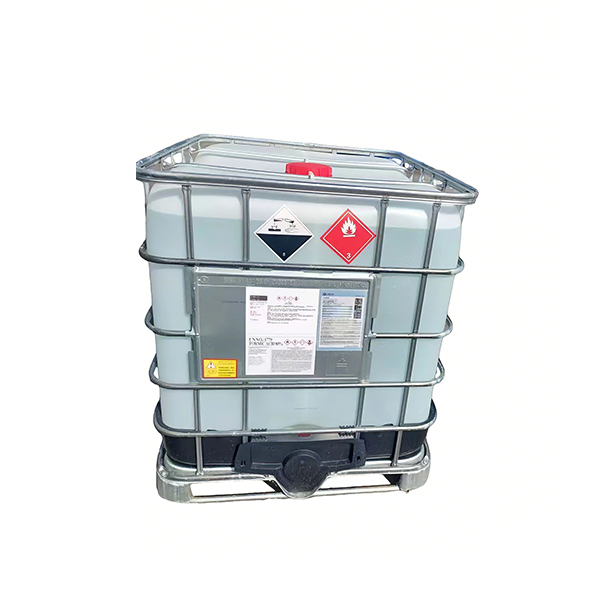
It is a vital weak inorganic acid widely used in industrial, agricultural, and food fields, and is classified as a corrosive substance (hazard class 8, UN number 1805 for concentrated solutions).
Basic Information
| Item | Details |
| Chemical Formula | H3PO4 |
| Молекулярная масса | 98.00 g/mol |
| Appearance | Colorless, viscous liquid; concentrated phosphoric acid is hygroscopic |
| Key Physical Properties | Melting point: 42.35°C; boiling point: 213°C (decomposes to pyrophosphoric acid); density: 1.88 g/cm³ (85% aqueous solution); miscible with water and ethanol in any proportion |
| Purity Grades | Industrial grade (85%, 90%, 95%), food grade (≥85%, compliant with food safety standards), electronic grade (ultra-high purity for semiconductor manufacturing) |
| Production Method | Mainly via wet process (reacting phosphate rock with sulfuric acid, cost-effective for industrial use) and thermal process (producing high-purity acid for food and electronics industries) |
Main Applications
Agriculture: The largest application field—used to produce phosphate fertilizers such as superphosphate, triple superphosphate, and ammonium phosphate, which provide essential phosphorus nutrients for crops.
Food Industry: Food-grade phosphoric acid acts as an acidity regulator, flavor enhancer, and preservative in beverages (e.g., cola drinks), jams, and processed meats; it also adjusts the pH of food products.
Industrial Manufacturing: Used in metal surface treatment (phosphatization) to form a protective phosphate film on steel surfaces, preventing corrosion; serves as a raw material for phosphate salts (e.g., sodium phosphate, potassium phosphate) and detergents; and is applied in the production of ceramics, glass, and electronics.
Water Treatment: Used as a scale and corrosion inhibitor in industrial cooling water systems, preventing the formation of calcium and magnesium scales.
Pharmaceuticals: Utilized in the synthesis of certain drugs and as a pH adjuster in pharmaceutical formulations.