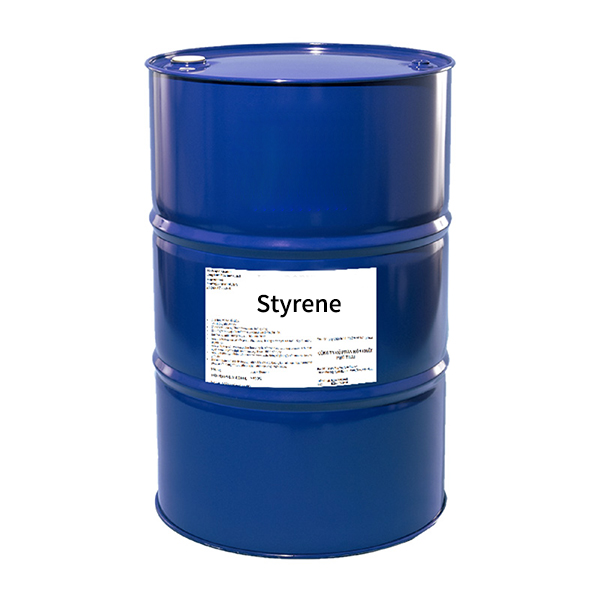
苯乙烯 CAS NO.100-42-5

苯乙烯 CAS NO.100-42-5

Styrene, with the chemical formula (C8H8) and CAS number 100-42-5, is a colorless, flammable liquid with a pungent aromatic odor. Also known as vinylbenzene, it is a key monomer in the petrochemical industry, primarily used for producing polystyrene and other copolymer resins. Classified as a Class 3 Flammable Liquid (UN number 2055), styrene is also listed as a hazardous substance due to its flammability, reactivity, and toxicological properties.

分类:

Also known as vinylbenzene, it is a key monomer in the petrochemical industry, primarily used for producing polystyrene and other copolymer resins. Classified as a Class 3 Flammable Liquid (UN number 2055), styrene is also listed as a hazardous substance due to its flammability, reactivity, and toxicological properties.

Basic Information

Item Details
Chemical Formula (C8H8)
分子量 104.15 g/mol
Appearance Colorless transparent liquid; sharp aromatic odor
Key Physical Properties Melting point: -30.6°C; boiling point: 145.2°C; density: 0.91 g/cm³ (20°C); volatile; slightly soluble in water, miscible with ethanol, ether, acetone, and most organic solvents
Purity Grades Industrial grade (≥99.5%); polymerization-grade (≥99.8%, low inhibitor content); reagent grade (≥99.9%)
Production Method Dominated by the ethylbenzene dehydrogenation process: ethylbenzene is heated with steam in the presence of a catalyst (e.g., iron oxide) to produce styrene and hydrogen. Small-scale production also uses styrene-butadiene rubber (SBR) waste recycling.

Core Chemical Properties

High Polymerization Activity: Styrene has a reactive vinyl group (CH=CH2) that readily undergoes free-radical polymerization—even at room temperature, it can slowly polymerize into polystyrene (PS), so industrial-grade styrene is usually stabilized with inhibitors (e.g., tert-butylcatechol).

Flammability: Highly flammable, with a flash point of 31°C and an explosive limit of 1.1%–6.1% (v/v) in air. Vapors can form explosive mixtures with air and ignite when exposed to open flames, heat, or sparks.

Copolymerization Capability: Reacts with other monomers (e.g., butadiene, acrylonitrile, maleic anhydride) to form copolymers with tailored properties, such as styrene-butadiene rubber (SBR), acrylonitrile-butadiene-styrene (ABS) plastic, and styrene-acrylic resins.

Toxicity: Inhalation of styrene vapor or skin contact can cause irritation to the respiratory tract, eyes, and skin. Acute exposure may lead to headache, dizziness, and nausea; long-term exposure may affect the central nervous system and liver function. It is classified as a possible human carcinogen (Group 2B, IARC).

Main Applications

Plastics Production: The largest application—polymerizes to form polystyrene (PS), including general-purpose polystyrene (GPS) for packaging and disposable utensils, and high-impact polystyrene (HIPS) for household appliances and toy casings.

Copolymer Resins: A core raw material for ABS plastic (used in automotive parts, electronic housings, and pipes), SAN resin (styrene-acrylonitrile, for food containers and medical devices), and styrene-acrylic emulsions (for water-based paints and adhesives).

Rubber Industry: Copolymerizes with butadiene to produce styrene-butadiene rubber (SBR), the most widely used synthetic rubber for tires, conveyor belts, and seals.

Other Uses: Used in manufacturing unsaturated polyester resins (for fiberglass-reinforced plastics), ion-exchange resins (for water treatment), and specialty coatings.

获取最新价格?我们将尽快回复(12 小时内)

滚动至顶部