 Электронная почта: sales@jmchemi.com lisa@jmchemi.com
 Whatsapp: +8618953065520
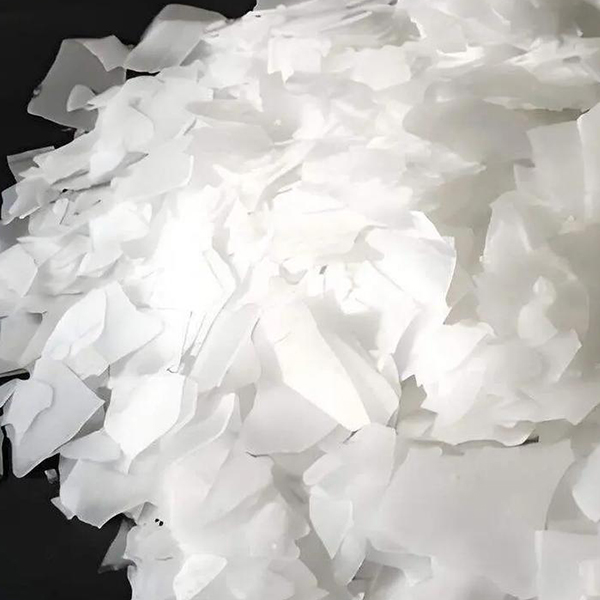
It is a highly important inorganic strong base with a UN number of 1823 and belongs to hazardous class 8 (corrosive substances).
Basic Information
| Item | Details |
| Chemical Formula | NaOH |
| Молекулярная масса | 40.00 g/mol |
| Appearance | White, translucent, brittle flakes; highly hygroscopic, absorbing moisture and CO₂ in air |
| Key Physical Properties | Melting point: 318.4°C; boiling point: 1390°C; density: 2.13 g/cm³; highly soluble in water (exothermic), soluble in ethanol/glycerol, insoluble in non – polar solvents like ether |
| Purity Grades | Industrial grade (96%, 99%) and food grade (≥99%, meeting food safety standards) |
| Production Method | Made by cooling molten sodium hydroxide on flaking rolls to form uniform – thickness flakes |
Main Applications
Pulp & Paper: Used for pulp cooking, delignification, and paper – making processes.
Detergents & Soap: Key for soap synthesis, synthetic detergent production, and animal/vegetable oil refining.
Textile Industry: Acts as a desizing agent, scouring agent, and mercerizing agent for cotton fabrics.
Химический синтез: Produces organic chemicals (formic acid, phenol) and inorganic chemicals (borax, sodium cyanide).
Petroleum & Metallurgy: Refines petroleum products, treats oilfield drilling mud, and extracts alumina from bauxite (Bayer process).
Water Treatment: Adjusts pH, neutralizes acidic wastewater, and removes heavy metals.
Food Industry: Food – grade NaOH is used for equipment cleaning and pH regulation (compliant with food safety norms).