 Электронная почта: sales@jmchemi.com lisa@dyjmhg.com
 Whatsapp: +8618953065520
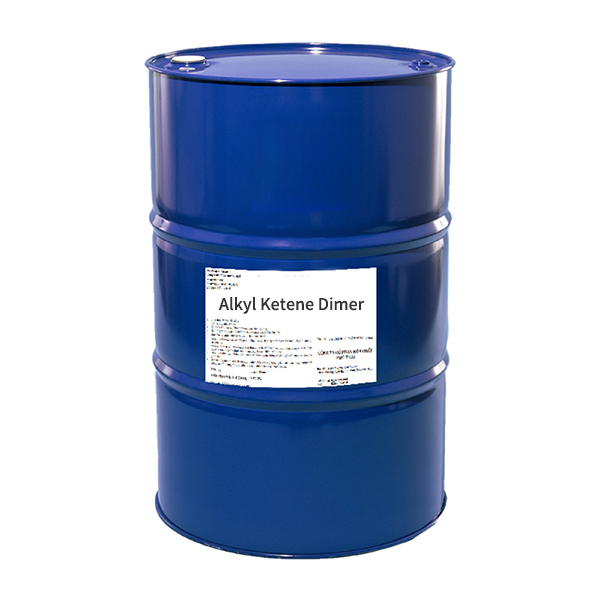
Техническое введение
Димер алкилкетена (AKD) представляет собой класс нерастворимых в воде воскообразных органических соединений, признанных в качестве высокоэффективного нейтрального проклеивающего агента для бумажной промышленности. Благодаря превосходным гидрофобным свойствам AKD широко используется для повышения водостойкости и печатаемости бумаги и картона, а также служит функциональной добавкой в текстиле и лакокрасочных покрытиях.
1. Химическая формула
| Пункт | Технические характеристики |
| Химическое название | Димер алкилкетена; дикетен-алкил-димер |
| Аббревиатура | AKD |
| Общая молекулярная формула | RCH=C=O-CHR-CO (где R представляет собой линейную алкильную цепь с числом атомов углерода от C12 до C18, обычно от C16 до C18 для применения в качестве проклеивающего средства для бумаги) |
| Молекулярная масса | 450–550 г/моль (зависит от длины алкильной цепи) |
| Регистрационный номер CAS | 7085-85-0 (общее название для C₁₂–C₁₈ AKD) |
| Номер ООН | 3261 (Класс 8: коррозионные вещества; дополнительный риск: Класс 4.1 — легковоспламеняющиеся твердые вещества) |
| Структурная особенность | Содержит две реакционноспособные кетеновые группы (-CH=C=O), соединенные алкильным мостиком; гидрофобная алкильная цепь и реакционноспособные функциональные группы определяют его проклеивающие свойства |
2. Физические и химические свойства
| Недвижимость | Промышленный стандарт |
| Внешний вид | Белые или бледно-желтые воскообразные хлопья, гранулы или порошок |
| Температура плавления | 40–60 °C (оптимальная температура для производства бумаги: 45–55 °C, соответствующая длине алкильной цепи C16–C18) |
| Точка кипения | Разлагается при температуре выше 150 °C (разлагается на алкилкетены и жирные кислоты) |
| Плотность | 0,90–0,95 г/см³ (в твёрдом состоянии, 25 °C) |
| Растворимость | Нерастворим в воде; растворим в органических растворителях (минеральное масло, керосин, толуол, ксилол) |
| Температура вспышки | 180–200 °C (метод «закрытого стакана») |
| Реакционная способность | Стабилен в сухих условиях; гидролизуется с образованием жирных кислот при контакте с водой, кислотами или щелочами; вступает в реакцию с гидроксильными группами целлюлозы при температуре 80–120 °C с образованием ковалентных эфирных связей (основной механизм проклеивания) |
| Стабильность при хранении | 6–12 месяцев (в закрытой упаковке, в сухом месте); подвержены порче при попадании влаги |
3. Процесс промышленного синтеза
АКД производится серийно в ходе двухступенчатой реакции с использованием длинноцепочечных жирных кислот в качестве основного сырья:
Хлорирование жирных кислот. Длинноцепочечные жирные кислоты (C16–C18), например, пальмитиновая кислота, стеариновая кислота, вступают в реакцию с тионилхлоридом (SOCl2) или трихлорид фосфора (PCl3) с образованием хлоридов жирных кислот и побочных продуктов — диоксида серы и хлористого водорода:RCOOH + SOCl₂ → RCOCl + SO₂↑ + HCl↑ Дегидрохлорирование и димеризация Хлориды жирных кислот реагируют с триэтиламином (агентом дегидрохлорирования) с образованием промежуточных алкилкетенов, которые подвергаются самопроизвольной димеризации с образованием AKD. Побочный продукт — гидрохлорид триэтиламина — удаляется путем фильтрации и промывки: 2RCOCl + 2(C₂H₅)₃N → RCH=C=O-CHR-CO + 2(C2H5)3N·HCl Неочищенный AKD подвергается дальнейшей очистке путем дистилляции или перекристаллизации для получения высокочистых продуктов в виде чешуек или гранул.
4. Основные области промышленного применения
Основное применение AKD — в бумажном производстве, а также широко используется в текстильной промышленности и при изготовлении покрытий:
Пропитка бумаги и картона (наиболее распространённая область применения)
В качестве нейтрально-щелочного проклеивающего агента AKD диспергируется в эмульсиях на водной основе и добавляется в целлюлозную массу в процессе изготовления бумаги. На участке сушки он вступает в реакцию с гидроксильными группами целлюлозы, образуя необратимые ковалентные связи, что значительно повышает водостойкость бумаги, способность удерживать чернила и пригодность к печати. Он широко применяется в производстве бумаги для офсетной печати, упаковочного картона, гофрированной бумаги и бумаги, контактирующей с пищевыми продуктами (соответствует стандартам FDA и ЕС по контакту с пищевыми продуктами). Основные преимущества: позволяет производить бумагу в нейтрально-щелочных условиях, снижает коррозию оборудования, повышает прочность бумаги и увеличивает коэффициент удержания наполнителя.
Текстильная промышленность
Используется в качестве гидрофобного средства для отделки хлопчатобумажных, льняных и смесовых тканей. Оно образует на поверхности волокон тонкую гидрофобную пленку, улучшая водоотталкивающие свойства и устойчивость к появлению пятен без ущерба для воздухопроницаемости ткани.
Покрытия и клеи
Используется в качестве сшивающего агента для покрытий и клеев на водной основе, повышая водостойкость пленки, прочность сцепления и химическую стойкость.
Другие способы использования
Добавка в смазочные масла для улучшения противоизносных и антиокислительных свойств; сырье для производства синтетических восков и специальных поверхностно-активных веществ.
5. Соблюдение требований в области безопасности, охраны здоровья и охраны окружающей среды
Угрозы здоровью
Вдыхание: Пыль или пары AKD могут вызывать легкое раздражение дыхательных путей (кашель, дискомфорт в горле); при обычных уровнях промышленного воздействия случаев системной токсичности не зарегистрировано.
Контакт с кожей: Вызывает слабое раздражение неповрежденной кожи; длительный контакт может привести к сухости или эритеме (необходимо немедленно промыть водой с мылом).
Зрительный контакт: Может вызвать кратковременное раздражение глаз; в случае попадания на глаза промывайте их большим количеством воды в течение 15 минут.
Проглатывание: Низкая острая токсичность; случайное проглатывание может вызвать дискомфорт в желудочно-кишечном тракте (тошнота, боль в животе), однако симптомы тяжёлого отравления не наблюдаются.
Классификация по GHS: Раздражение кожи (категория 2); раздражение глаз (категория 2); легковоспламеняющееся твердое вещество (категория 4).
Воздействие на окружающую среду
Биоразлагаемость: AKD легко подвергается биологическому разложению в аэробных условиях, распадаясь на жирные кислоты и углекислый газ, не накапливаясь в почве или воде.
Токсичность для водных организмов: Низкая токсичность для водных организмов (LC₅₀ для рыб > 100 мг/л); безопасен для сброса после стандартной очистки сточных вод.
Соблюдение нормативных требований: Полностью соответствует требованиям регламента REACH ЕС, нормативам FDA 21 CFR США и стандартам GB Китая в отношении материалов, контактирующих с пищевыми продуктами; ограничений на промышленное использование нет.
6. Меры предосторожности при обращении и хранении
Обращение: Работайте в хорошо проветриваемом помещении, чтобы свести к минимуму воздействие пыли; во время работы надевайте пылезащитную маску, защитные очки и нитриловые перчатки. Избегайте контакта с влагой, кислотами или щелочами, чтобы предотвратить гидролиз. При приготовлении эмульсий AKD нагревайте твердый AKD до температуры плавления (45–55 °C) при постоянном перемешивании для обеспечения однородной дисперсии.
Хранение: Хранить на прохладном и сухом складе (температура < 30 °C) в герметичной таре (желательно с пластиковым внутренним покрытием для предотвращения поглощения влаги). Хранить отдельно от кислот, щелочей, окислителей и воды. Срок хранения: 12 месяцев для твердого AKD; 6 месяцев для эмульсий AKD.
Транспорт: Соблюдайте правила перевозки по коду ООН 3261; используйте влагонепроницаемую герметичную тару. Во время транспортировки избегайте смешивания с пищевыми продуктами, кормами или коррозионными веществами.