 电子邮件: sales@jmchemi.com lisa@jmchemi.com
 Whatsapp:+8618953065520
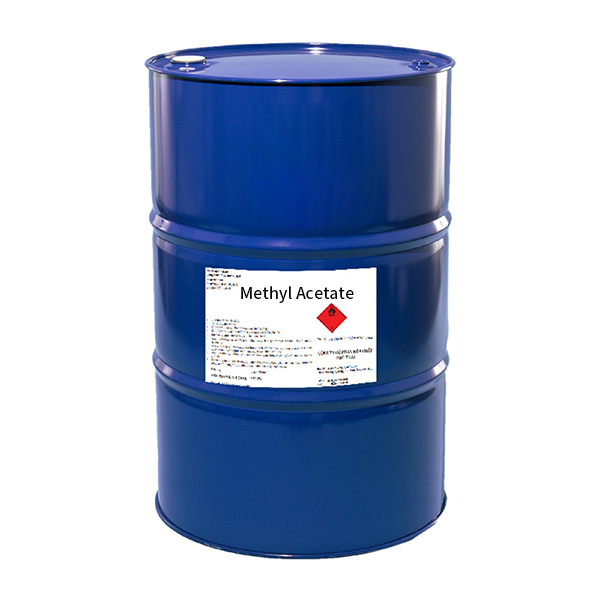
Its chemical formula is C3H6O2 (structural formula: CH3COOCH3) and CAS number is 79-20-9. As a low-toxicity, fast-evaporating ester solvent, MAC is widely used in coatings, adhesives, and chemical synthesis, serving as an environmentally friendly alternative to traditional solvents such as acetone, butanone, and ethyl acetate.
Key Applications
Industrial Solvents (Core Use): MAC is a fast-evaporating solvent for nitrocellulose lacquers, acrylic resins, and polyurethane coatings. It ensures quick film formation, improves coating gloss and adhesion, and is widely used in automotive refinishing, wood coatings, and furniture finishes. It also serves as a solvent in gravure and flexographic inks, enhancing printability and color vividness.
Adhesives & Sealants: Used as a solvent for contact adhesives, pressure-sensitive adhesives, and hot-melt adhesives, especially for bonding plastics, rubber, and wood. Its low toxicity and fast evaporation rate reduce VOC emissions and improve production efficiency.
Chemical Synthesis Intermediate: A key raw material for producing acetic anhydride via carbonylation, which is widely used in the synthesis of pharmaceuticals, pesticides, and cellulose acetate. MAC is also hydrolyzed to produce high-purity acetic acid and methanol, and serves as a methylating agent in organic synthesis.
Extraction Agent: Utilized in the extraction of natural products (e.g., plant essential oils, flavors, and fragrances) due to its good solubility and low residue. It is also used in the separation of hydrocarbons and the purification of organic compounds in laboratory settings.
Cleaning Agent: Applied as a degreasing agent for electronic components, precision instruments, and metal surfaces, as it effectively dissolves grease, wax, and organic residues without causing corrosion.