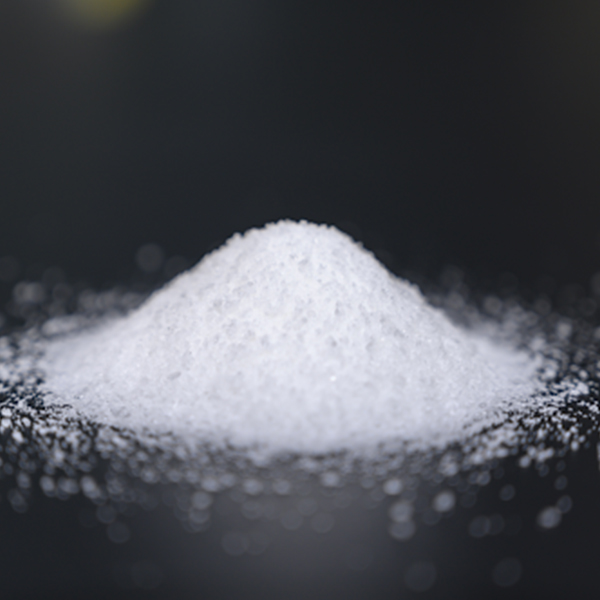
1.Chemical Description
Anionic Polyacrylamide (Anionic PAM) is a water-soluble, high-molecular-weight polymer synthesized by copolymerizing acrylamide with anionic monomers, typically acrylate salts (e.g., sodium acrylate). Its polymer backbone contains negatively charged functional groups (carboxylate groups, -COO⁻), giving it its characteristic anionic nature.
2.Industrial Applications
2.1 Wastewater Treatment
Flocculation & Clarification: Highly effective for treating inorganic suspended solids, such as those found in industrial wastewater from mining, steel, metallurgy, and coal washing. It excels at aggregating clays, metal hydroxides, and other negatively charged or neutral inorganic particles.
Drinking Water Treatment: Used as a flocculant to remove turbidity and color in raw water purification processes.
2.2 Mineral Processing & Mining
Tailings Dewatering: Essential for the solid-liquid separation and dewatering of mineral processing tailings (e.g., iron ore, gold, copper, phosphate, bauxite residue/red mud).
Beneficiation Processes: Aids in concentrate thickening and filtration.
2.3 Sludge Dewatering
Particularly effective for dewatering inorganic sludge or sludge with a low organic content, often in combination with cationic coagulants.
2.4 Paper Industry
Retention & Drainage Aid: Improves fines and filler retention, enhances drainage rates on the paper machine wire, and can improve sheet formation.
Dispersant: Used in paper coating processes to ensure uniform pigment distribution.
2.5 Oilfield Industry
Applied in drilling fluid additives, profile modification, and as a friction reducer in some fracturing fluids.
2.6 Other Uses
Soil erosion control (forming a protective crust), sugar juice clarification, and textile sizing.