Электронная почта: sales@jmchemi.com lisa@dyjmhg.com
 Whatsapp: +8618953065520
Гидроксид натрия, также известный как каустическая сода и щелок, имеет химическую формулу NaOH, номер CAS 1310-73-2 и молекулярную массу примерно 40,00. Это сильнощелочное вещество, обладающее высокой коррозионной активностью.
Физические и химические свойства
Чистый гидроксид натрия представляет собой бесцветные прозрачные кристаллы. Продукция промышленного качества представляет собой непрозрачные белые кристаллы из-за следовых примесей хлорида натрия и карбоната натрия; она обычно выпускается в виде кусков, чешуек, гранул и стержней. Основные физические параметры приведены ниже: таблица
| Физический параметр | Значение |
|---|---|
| Плотность | 2,130 г/см³ |
| Температура плавления | 318,4 °C |
| Точка кипения | 1390 °C |
| Растворимость в воде (0 ℃) | 42% |
| Растворимость в воде (20 °C) | 109% |
| Растворимость в воде (100 ℃) | 347% |
Растворимость: легко растворяется в воде, этаноле и глицерине; не растворяется в эфире и ацетоне.
Описание объекта недвижимости
- Растворимость: Хорошо растворяется в воде с интенсивным выделением тепла при растворении. Его водный раствор имеет сильно щелочную реакцию, вяжущий вкус и скользкую консистенцию. Твердый гидроксид натрия легко растворяется в глицерине и этаноле, но нерастворим в ацетоне и эфире.
- Деликвесценция: Твёрдый гидроксид натрия обладает высокой деликвесценцией на воздухе, поглощая атмосферную влагу и в конечном итоге растворяясь в жидкость.
- Гигроскопичность: Твердая каустическая сода обладает высокой гигроскопичностью, тогда как жидкий гидроксид натрия не обладает этим свойством.
Он обладает характерной сильной щелочностью и вступает в реакцию нейтрализации с кислотами с образованием соли и воды. Подвержен порче в результате поглощения углекислого газа из воздуха с образованием карбоната натрия, поэтому требуется герметичное и влагонепроницаемое хранение. Вступает в реакцию диспропорционирования с галогенами, включая хлор, бром и йод, а также вызывает коррозию некоторых металлов и материалов при высоких температурах.
Промышленная цепочка
Вверх по течению
Сырье: сырая соль и электроэнергия. На производство одной тонны каустической соды расходуется 2300–2400 кВт·ч электроэнергии и 1,4–1,6 тонны сырой соли. На долю электроэнергии приходится 50%–60% себестоимости продукции, а на долю сырой соли — 20%–25%.
Средний сегмент
Производство хлора и щелочи. Насыщенный рассол подвергается электролизу с целью одновременного получения каустической соды, хлора и водорода. Ограничения на транспортировку жидкого хлора вынуждают производителей согласовывать объемы производства ПВХ с потребностью в хлоре, что позволяет обеспечить сбалансированное производство щелочи и хлора.
Коэффициент применения и потребления в нижестоящих сегментах рынка (по состоянию на 2024 год)
- Глиноземная промышленность: 28%–32%
- Химическая промышленность: 13%-16%
- Печатная, красящая и химико-волокнистая промышленность: около 13%
- Бумажная промышленность: около 12%
- Отрасль водоочистки: около 9%
- Новые источники энергии (материалы для литиевых батарей): развивающийся сектор
- Прочие (нефтяная промышленность, мыло, пищевая промышленность и т. д.): около 9%
Способы приготовления
Таблица
| Метод | Сырье | Основные условия реакции | Особенности | Текущее состояние |
|---|---|---|---|---|
| Процесс каустизации | Кальцинированная сода и гашеная известь | Примерно 99–101 ℃ | Простой процесс, высокое энергопотребление | Мелкосерийное производство |
| Электролиз с использованием диафрагмы | Насыщенная сырая соленая вода | Электролиз | Низкая чистота продукции, риск загрязнения окружающей среды | Практически выведен из эксплуатации |
| Электролиз с использованием ионообменной мембраны | Очищенная морская вода | Электролиз с использованием катион-селективной мембраны | Высокая чистота (≥99,51 TP3T), низкое энергопотребление, отсутствие загрязнения | Доминирующий сегмент рынка, занимающий около 95% доли рынка |
Области применения
Таблица
| Перерабатывающая промышленность | Основное приложение | Коэффициент эталонного потребления |
|---|---|---|
| Оксид алюминия | Разрушение бокситов по методу Байера | 28%-32% |
| Химическая промышленность | Синтез органических и неорганических химических веществ | 13%-16% |
| Печать, окрашивание и химическое волокно | Деапикация, отбеливание, мерсеризация и производство вискозного волокна | о 13% |
| Бумажное производство | Щелочное варка целлюлозы и отделение целлюлозы | о 12% |
| Очистка воды | регулирование pH, осаждение тяжелых металлов и регенерация смолы | о 9% |
| Новая энергия | Производство катодного материала для литиевых батарей | Развивающийся рынок |
| Прочее | Нефтепереработка, производство мыла, пищевая промышленность, производство стекла и эмали | о 9% |
Безопасная эксплуатация, транспортировка и хранение
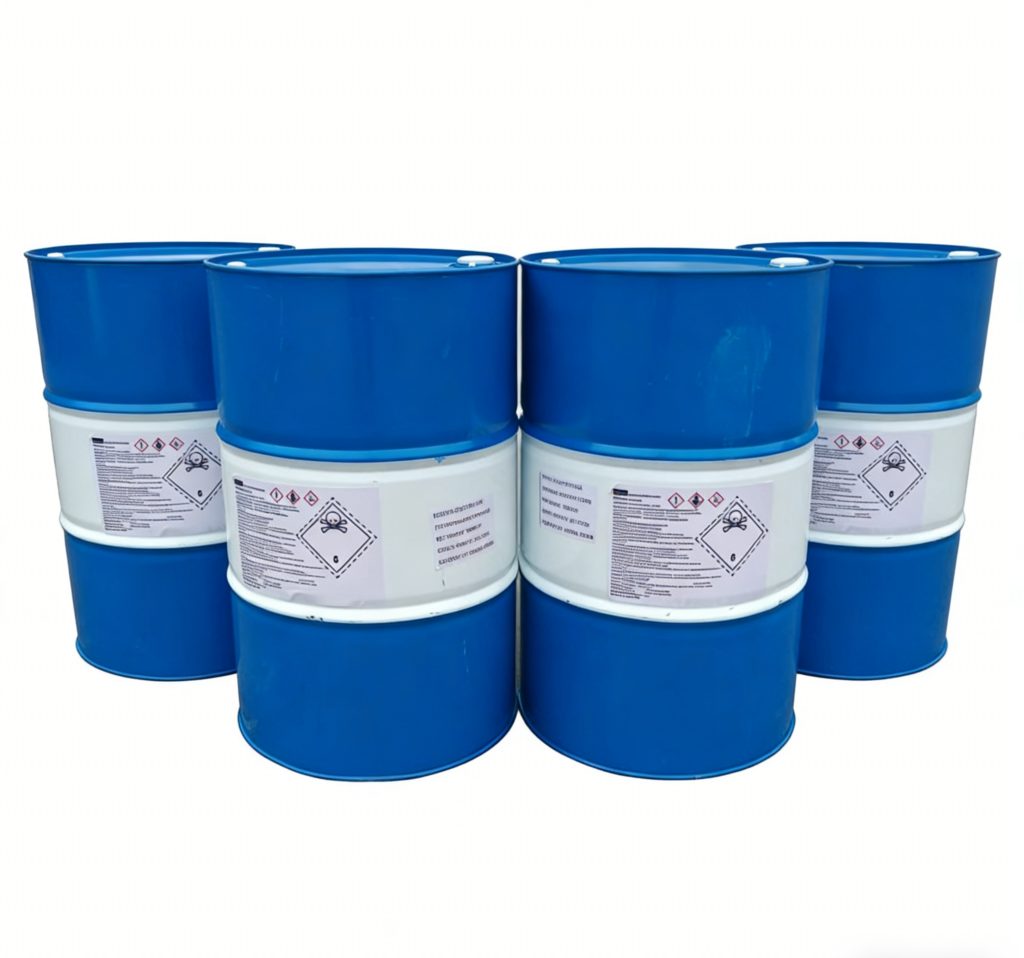
Опасные грузы 8-го класса, вызывающие коррозию. Высокая щелочность вызывает коррозию кожи, слизистых оболочек, тканей и металлов.
Процесс растворения: Добавляйте каустическую соду в воду, постоянно помешивая. Ни в коем случае не наливайте воду в каустическую соду, чтобы избежать брызг при кипении, вызванных интенсивным выделением тепла.
Неотложная помощь: Промывайте поражённые участки кожи и глаза обильным потоком проточной воды не менее 15 минут. Не нейтрализуйте кислоту, чтобы избежать вторичных термических повреждений. При необходимости своевременно обратитесь за медицинской помощью.
Условия хранения: Хранить в закрытой таре в сухом месте, вдали от кислот и порошков активных металлов, чтобы избежать порчи продукта под воздействием влаги.