 Электронная почта: sales@jmchemi.com lisa@dyjmhg.com
 Whatsapp: +8618953065520
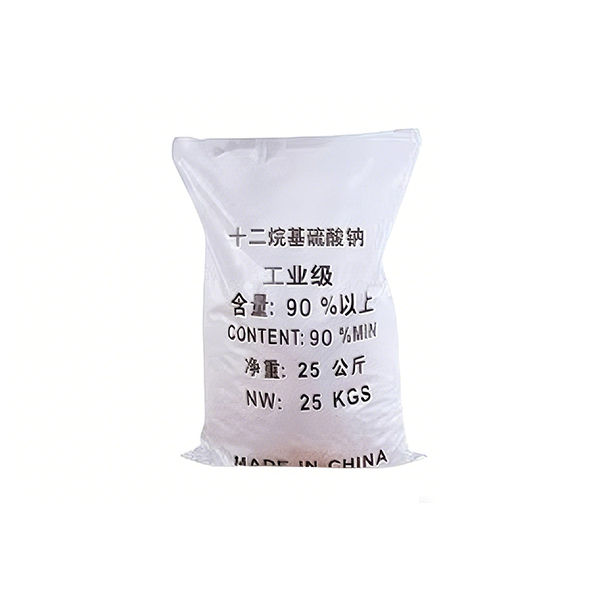
Лаурилсульфат натрия (SLS), химическое название которого — додецилсульфат натрия, представляет собой высокоэффективное анионное поверхностно-активное вещество, отличающееся превосходными пенообразующими, смачивающими, эмульгирующими и моющими свойствами. Это одно из наиболее широко используемых поверхностно-активных веществ в мире, которое применяется в средствах личной гигиены, бытовых моющих средствах, промышленных чистящих средствах и фармацевтических препаратах.
1. Химическая идентичность
| Пункт | Технические характеристики |
| Химическое название | Лаурилсульфат натрия; Додецилсульфат натрия |
| Аббревиатура | SLS; SDS |
| Молекулярная формула | C12H25И ТАК4На |
| Молекулярная масса | 288,38 г/моль |
| Регистрационный номер CAS | 151-21-3 |
| Номер ООН | 3082 (Класс 9: Различные опасные грузы; опасность для окружающей среды) |
| Структурная особенность | Состоит из гидрофобной линейной алкильной цепи из 12 атомов углерода (C12H25-) и гидрофильную группу сульфата натрия (-SO4Na). Благодаря амфифильной структуре он способен эффективно снижать поверхностное натяжение в водных растворах. |
2. Основные области промышленного применения
Благодаря сбалансированным поверхностно-активным свойствам SLS является основным компонентом множества продуктов:
Средства личной гигиены и косметика (наиболее широкая область применения)
Основной компонент шампуней, гелей для душа, зубных паст, средств для умывания и пен для ванн. Выступает в качестве основного пенообразователя и моющего вещества, эффективно удаляя грязь, жир и загрязнения с кожи и волос. SLS косметического качества соответствует стандартам FDA и Регламенту ЕС по косметическим средствам.
Бытовые моющие средства
Используется в стиральных порошках, жидких моющих средствах и средствах для мытья посуды. Повышает эффективность очистки за счет эмульгирования жира и удержания твердых частиц грязи в взвешенном состоянии даже в жесткой воде. Часто смешивается с неионогенными поверхностно-активными веществами для улучшения рабочих характеристик.
Промышленные чистящие средства
Входит в состав высокоэффективных обезжиривателей, жидкостей для очистки металла и средств для отбеливания текстиля. Эффективен для удаления масла, смазки и воска с механизмов, металлических поверхностей и текстильных волокон. Также используется в качестве смачивающего агента в составах пестицидов для улучшения распределения распыляемого раствора по поверхности сельскохозяйственных культур.
Фармацевтическая и биомедицинская отрасли
Используется в качестве солюбилизатора, эмульгатора и носителя для доставки лекарственных веществ в пероральных и наружных фармацевтических препаратах. В биотехнологии он применяется в качестве компонента лизирующего буфера для разрушения клеточных мембран с целью экстракции и очистки белков.
Другие способы использования
Эмульгатор при эмульсионной полимеризации (например, для производства латекса, красок и клеев); добавка в электролиты аккумуляторов для повышения проводимости; компонент фотохимических проявителей.
Перевозка: Соблюдайте правила перевозки, предусмотренные кодом ООН 3082. Используйте герметичную, влагонепроницаемую упаковку. На упаковках размещайте предупреждающие надписи «ВЕЩЕСТВО, ОПАСНОЕ ДЛЯ ОКРУЖАЮЩЕЙ СРЕДЫ». Избегайте перевозки в дождливую или влажную погоду.