 Email: sales@jmchemi.com lisa@jmchemi.com
 Whatsapp: +8618953065520
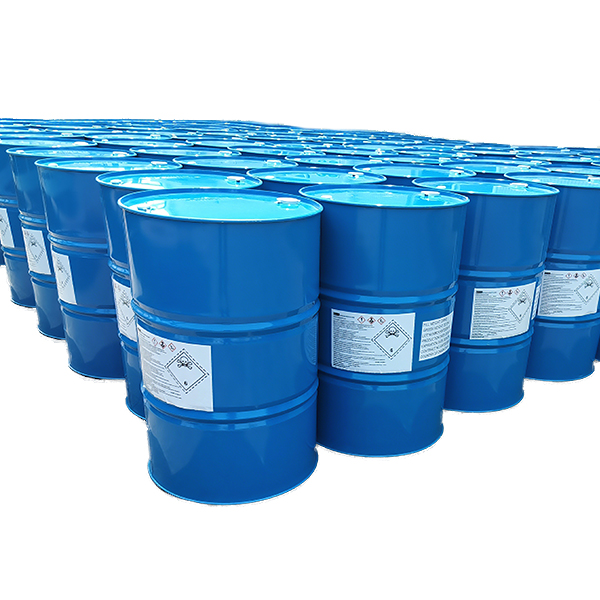
Trichloroethylene (TCE), with the IUPAC name trichloroethene and CAS No. 79-01-6, is a colorless, non-flammable organochlorine solvent with a sweet, chloroform-like odor. It is widely used in industrial and commercial fields, and its properties, production, applications, and safety profiles are detailed below.
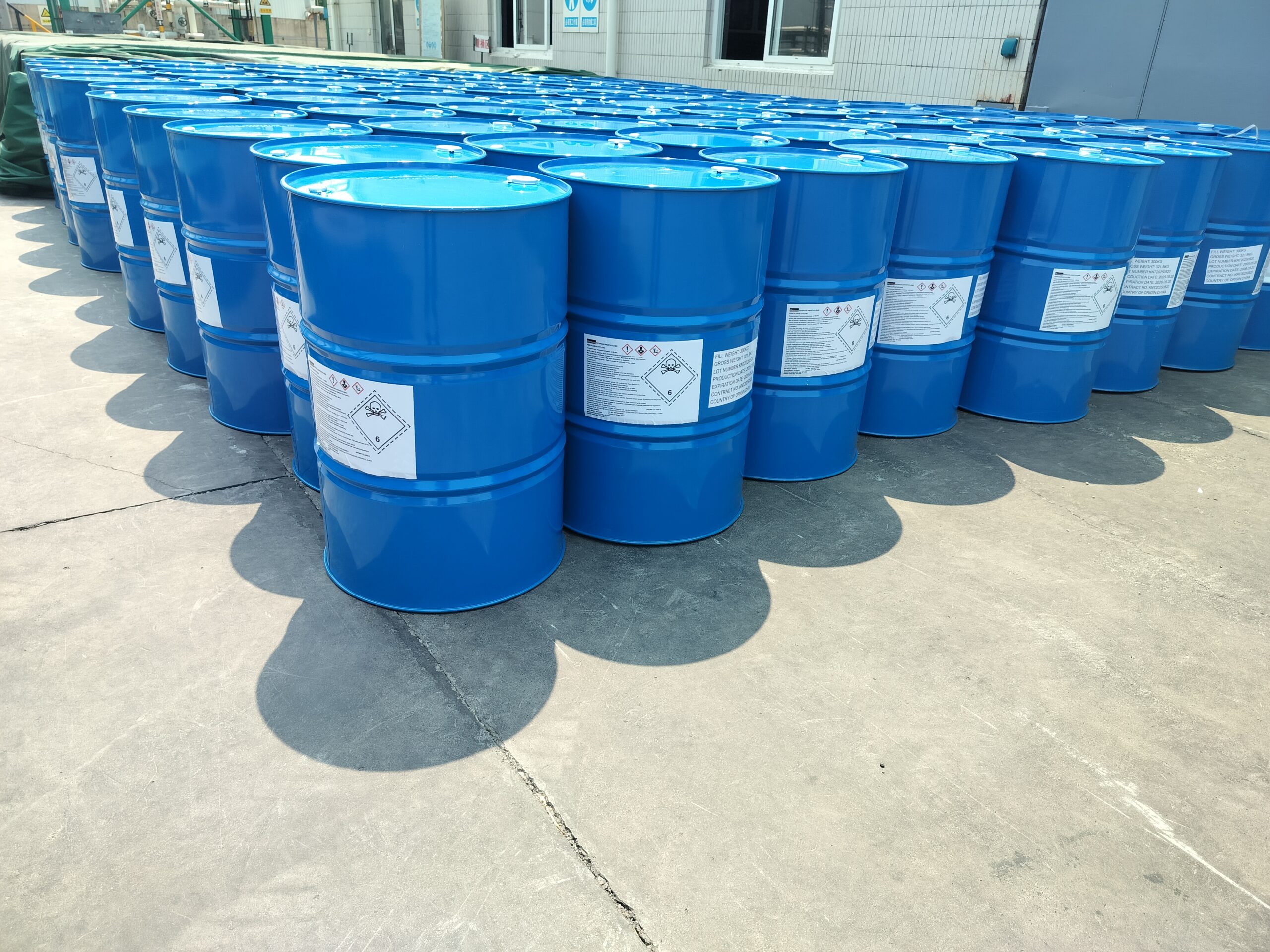
1.Basic Chemical & Physical Properties
| Item | Details |
| Chemical Formula | (molecular weight: 131.39 g/mol) |
| Appearance | Colorless, clear volatile liquid; faint sweet odor |
| Solubility | Insoluble in water; miscible with most organic solvents (ethanol, ether, benzene, etc.) |
| Key Physical Constants | Density: 1.464 g/cm³ (20°C); boiling point: 87.1°C; flash point: None (non-flammable under normal conditions); vapor pressure: 7.8 kPa (20°C) |
| Stability | Stable under normal storage conditions; decomposes when exposed to strong sunlight or high temperatures, releasing toxic chlorine gas |
2. Industrial Applications
Metal Degreasing (Core Use, ~60% of Global Consumption)TCE is an excellent solvent for removing grease, oils, and waxes from metal surfaces (e.g., automotive parts, aerospace components, precision instruments). It has high degreasing efficiency and low surface tension, making it suitable for cleaning complex-shaped workpieces.
Chemical IntermediateUsed to synthesize chlorofluorocarbons (CFCs) alternatives, vinylidene chloride (raw material for PVDC plastics), and pesticides. It also serves as a raw material for producing perchloroethylene (PCE), another industrial solvent.
Other Uses Formerly used as a dry-cleaning agent (replaced by perchloroethylene due to toxicity concerns), a solvent for adhesives, paints, and printing inks, and a refrigerant in some specialized systems.