 Email: sales@jmchemi.com lisa@jmchemi.com
 Whatsapp: +8618953065520
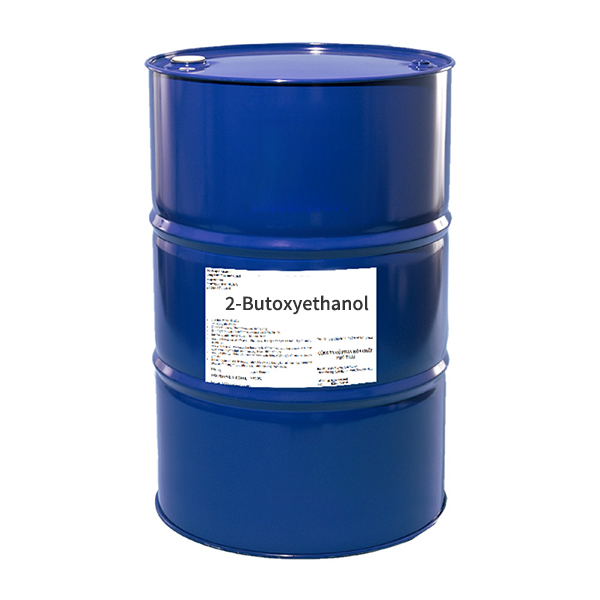
Basic Information
IUPAC Name: 2-Butoxyethanol
Common Name: Ethylene Glycol Butyl Ether (EGBE), Butyl Cellosolve CAS Number: 111-76-2 Molecular Formula: C₆H₁₄O₂ (HOCH₂CH₂O(CH₂)₃CH₃) Molecular Weight: 118.17 g/mol Chemical Category: Glycol ether solvent
Main Applications
As a widely used glycol ether solvent, Ethylene Glycol Butyl Ether is extensively applied in various industrial fields, mainly serving as a solvent, coupling agent, coalescent, or chemical intermediate. Its main applications are as follows:
Coatings & Inks Industry: It is a key coalescent and solvent in water-based coatings (e.g., architectural coatings, industrial coatings, automotive refinish coatings) and solvent-based printing inks. It helps improve the film-forming properties of coatings by reducing the minimum film-forming temperature (MFFT) of water-based resins, ensuring uniform and smooth coating films. It is also used in the formulation of varnishes and lacquers.
Cleaning Products: It is a core component in household and industrial cleaning formulations, such as all-purpose cleaners, degreasers, metal cleaners, and paint strippers. Its strong solvency for grease, oil, and organic stains, combined with good water compatibility, makes it effective in removing tough contaminants without causing excessive damage to most surfaces.
Chemical Intermediates: It serves as an important intermediate in the synthesis of various fine chemicals, including plasticizers (e.g., butyl glycol phthalate), surfactants, and pharmaceuticals. It can undergo esterification, etherification, and oxidation reactions to produce functional derivatives.
Textile & Leather Industry: Used as a solvent and dyeing assistant in textile dyeing and leather finishing processes, it improves the solubility and penetration of dyes and finishing agents, enhancing the uniformity and durability of colors and finishes.
Other Fields: It is used as a solvent for agricultural pesticides (insecticides, fungicides) to improve their stability and application efficacy. Additionally, it is employed as a component in brake fluids, hydraulic fluids, and metalworking fluids due to its good lubricating and anti-freezing properties.