 Correo electrónico: sales@jmchemi.com lisa@jmchemi.com
 Whatsapp: +8618953065520
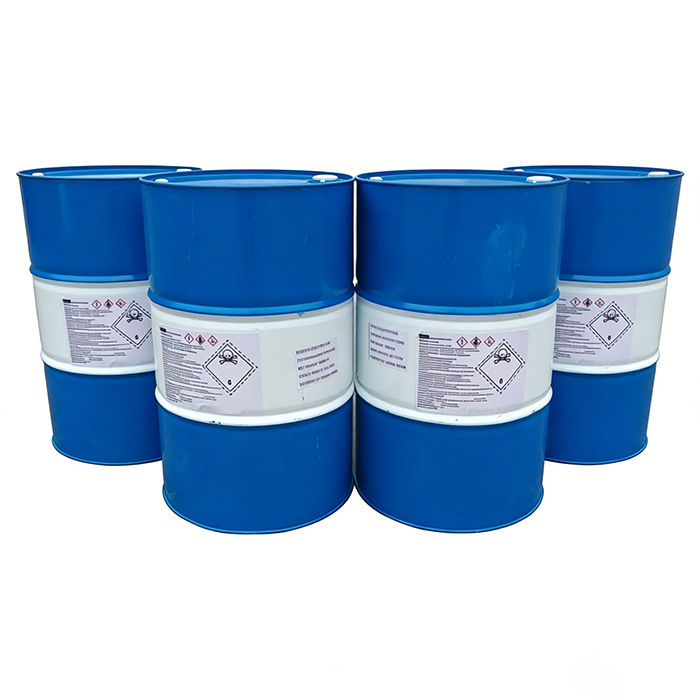
Tetrachloroethylene (Perchloroethylene, PCE)
Tetrachloroethylene, commonly abbreviated as PCE (IUPAC name: tetrachloroethene, CAS No. 127-18-4), is a colorless, non-flammable organochlorine liquid with a faint, sweet ether-like odor. It is a high-performance industrial solvent widely used in dry cleaning and metal processing, with well-defined safety and regulatory requirements due to its environmental persistence.
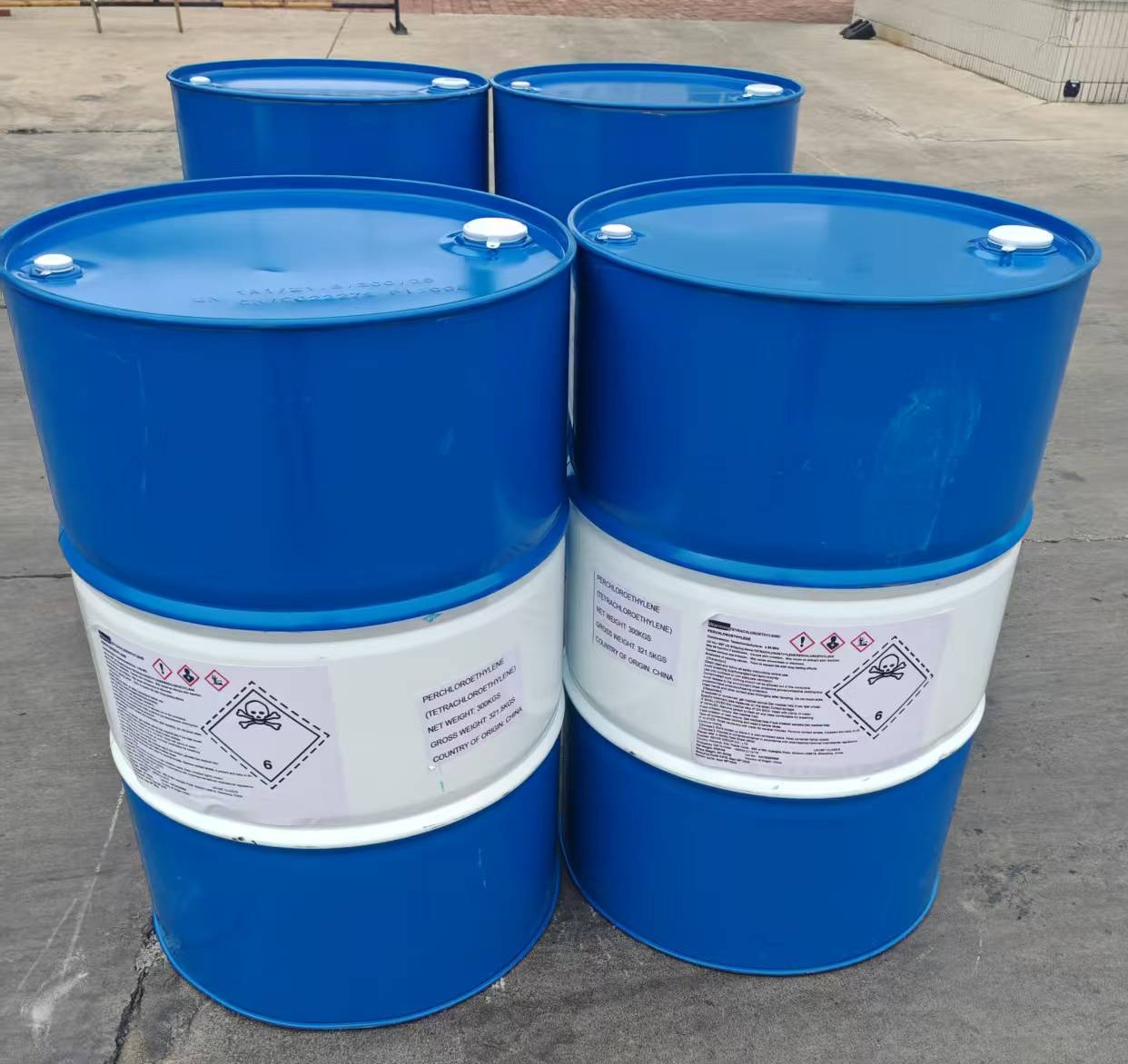
1.Basic Physical & Chemical Properties
| Attribute | Details |
| Chemical Formula | (molecular weight: 165.83 g/mol) |
| Appearance | Colorless, clear volatile liquid; low viscosity |
| Solubility | Practically insoluble in water (< 0.01 g/100 mL at 25°C); miscible with most organic solvents (ethanol, ether, benzene, trichloroethylene) |
| Key Physical Constants | Density: 1.622 g/cm³ (20°C); boiling point: 121.1°C; flash point: None (non-flammable under normal conditions); vapor pressure: 2.1 kPa (20°C) |
| Stability | Stable under ambient conditions; decomposes at high temperatures (> 500°C) or in the presence of UV light to release toxic chlorine gas; incompatible with strong reducing agents (e.g., sodium, potassium) |
Main Industrial Uses
Dry Cleaning Agent
It is the most widely used solvent in the dry cleaning industry due to its strong ability to dissolve oils, greases, and stains, and its low flammability reduces safety risks during use.
Metal Degreasing Agent
In manufacturing processes (such as aerospace, automotive, and electronics), it is used to remove grease, oil, and other contaminants from metal surfaces to ensure product quality and performance.
Chemical Intermediate
It serves as a raw material for the production of other chemicals, including fluorinated compounds, plastics, and synthetic rubber.
Textile and Leather Processing
It is applied in textile scouring and leather degreasing to improve the cleanliness and finish of products.