 Correo electrónico: sales@jmchemi.com lisa@jmchemi.com
 Whatsapp: +8618953065520
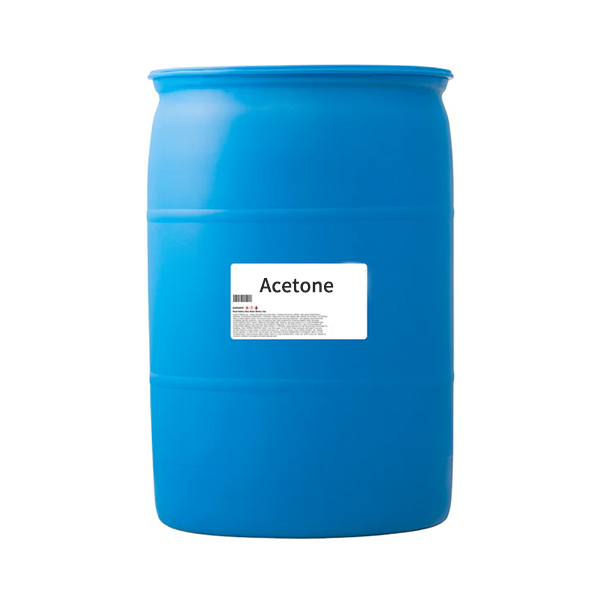
It is a colorless, highly volatile liquid with a distinct pungent, sweet odor. Characterized by strong solvency, fast evaporation rate, and low toxicity, acetone is a staple solvent in industrial, laboratory, and consumer applications, and also serves as a key intermediate in chemical synthesis.
Key Applications
Industrial Solvent: Widely used in coatings, inks, adhesives, and paint thinners. It is a critical solvent for nitrocellulose lacquers, acrylic resins, and epoxy coatings, enabling fast drying and smooth film formation. Also used in the manufacture of plastics (e.g., PVC) and synthetic fibers.
Consumer Products: A primary ingredient in nail polish removers, paint strippers, and household cleaners, valued for its ability to dissolve resins, waxes, and organic stains quickly.
Chemical Synthesis: A versatile intermediate for producing methyl methacrylate (MMA), bisphenol A, ketones, and pharmaceuticals (e.g., antibiotics, vitamins). It also serves as a reactant in aldol condensation and other organic reactions.
Uso en laboratorio: A common solvent for sample preparation, chromatography, and extraction. Its high volatility and miscibility with water make it ideal for purifying organic compounds and cleaning glassware.
Other Uses: Used as a fuel additive to improve octane rating, and in the electronics industry for cleaning circuit boards and semiconductor components.