 Correo electrónico: sales@jmchemi.com lisa@jmchemi.com
 Whatsapp: +8618953065520
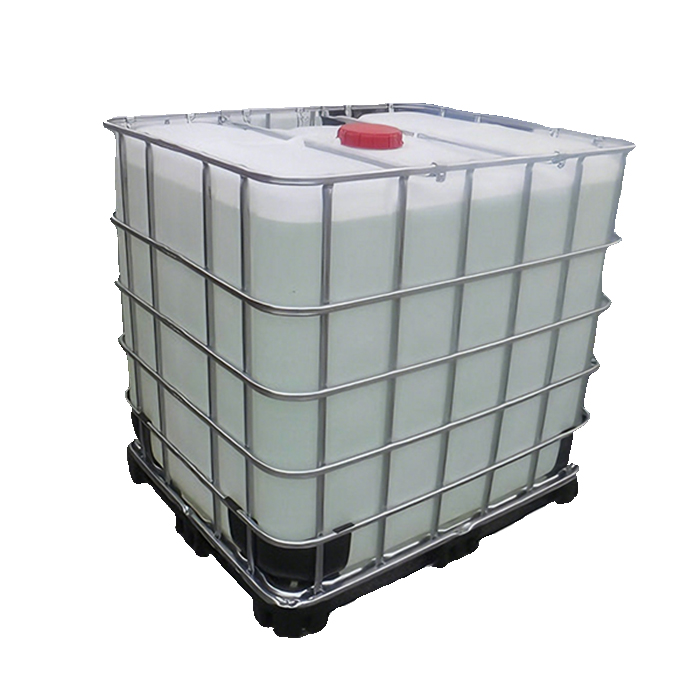
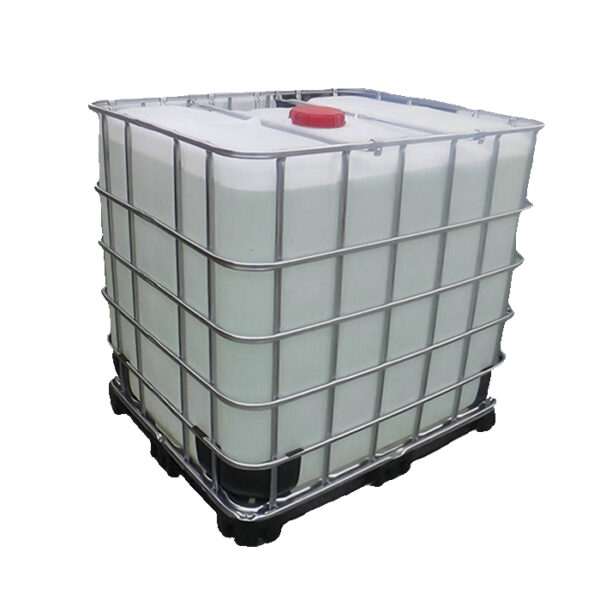
Its chemical formula is C6H14O3 (structural formula: HOCH2CH(CH3)OCH2CH(CH3)OH) and CAS number is 25265-71-8. DPG is a mixture of isomers (primarily 1,1′-oxybispropan-2-ol and related branched isomers), featuring excellent solubility, low toxicity, and good thermal stability. It is widely used in cosmetics, coatings, and chemical synthesis as a safe and versatile solvent and intermediate.
Key Applications
Cosmetics & Personal Care (Core Use): DPG is a widely used humectant, solvent, and viscosity regulator in skincare, hair care, and fragrance products. It dissolves fragrances, essential oils, and active ingredients effectively, improves product spreadability, and prevents skin dryness. Classified as safe for cosmetic use by global regulatory bodies (e.g., FDA, EU Cosmetics Regulation).
Coatings & Inks: Serves as a coalescing agent and solvent in water-based coatings, alkyd resins, and UV-curable inks. Its moderate evaporation rate ensures uniform film formation, enhances coating adhesion and gloss, and reduces surface defects such as cracking and pinholes. It is also used in industrial anticorrosive coatings and wood finishes.
Chemical Synthesis: A key intermediate for producing dipropylene glycol ethers (e.g., DPG monomethyl ether, DPG monoethyl ether), which are low-toxicity solvents for coatings, cleaning agents, and electronic materials. It also acts as a raw material for polyester resins, plasticizers, and polyurethane elastomers.
Fragrance Industry: Used as a carrier solvent for liquid fragrances and perfumes, as it does not alter the original scent and has good compatibility with fragrance compounds. It is also applied in scented candles and air fresheners.
Other Uses: Added to hydraulic fluids, brake fluids, and heat transfer fluids to improve thermal stability and low-temperature fluidity. It is also used as a humectant in tobacco processing and a solvent for agricultural pesticides.