 Email: sales@jmchemi.com lisa@dyjmhg.com
 Whatsapp: +8618953065520
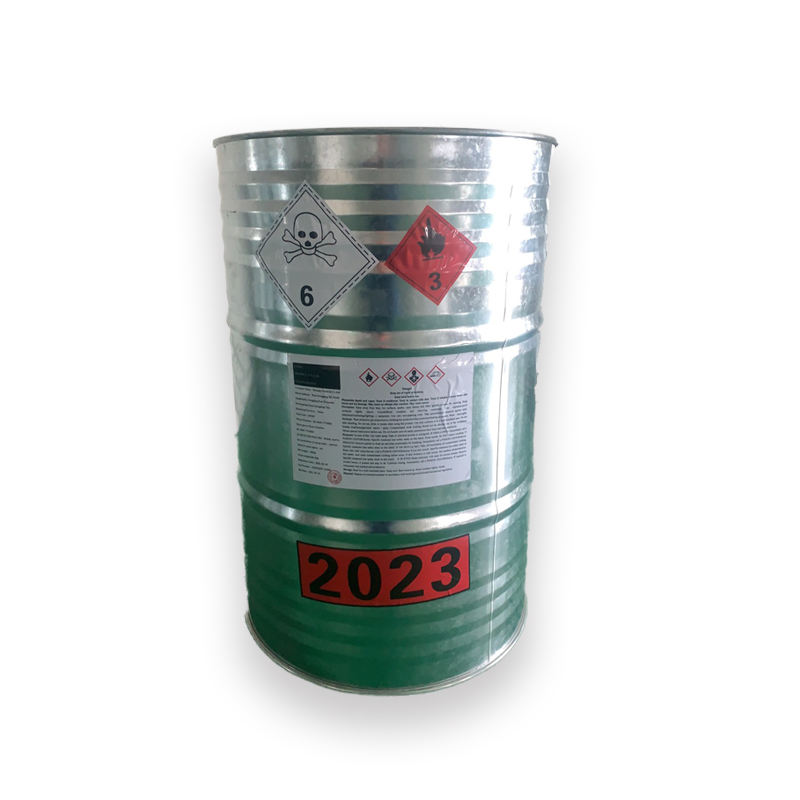
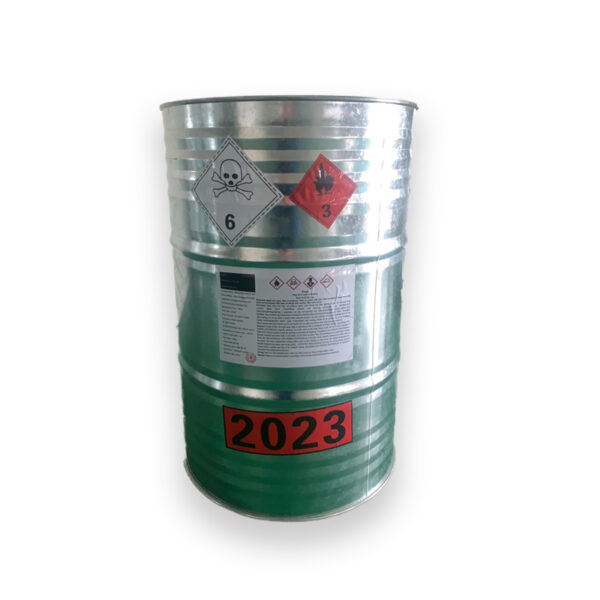
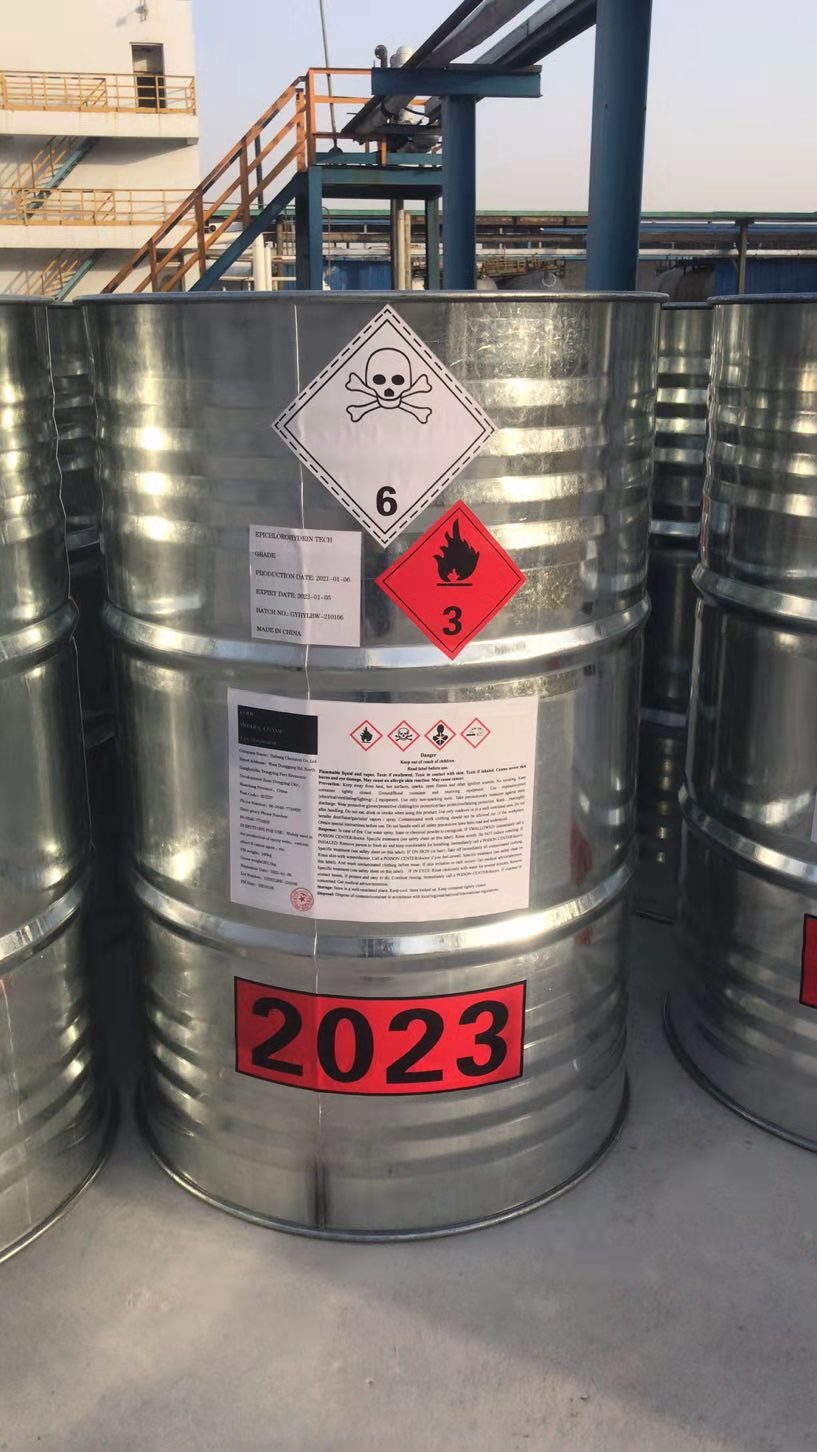
Epichlorohydrin (abbreviated as ECH), with the IUPAC name 2-(chloromethyl)oxirane and CAS No. 106-89-8, is a vital organochlorine epoxide compound widely used in the chemical industry.
1.Basic Chemical & Physical Properties
| Item | Details |
| Chemical Formula | C₃H₅ClO (molecular weight: 92.52 g/mol) |
| Appearance | Colorless, volatile liquid with a pungent, garlic-like odor |
| Solubility | Moderately soluble in water (6.5 g/100 mL at 25°C); miscible with most polar organic solvents (e.g., ethanol, ether, benzene) |
| Key Physical Constants | Density: 1.183 g/cm³ (20°C); boiling point: 116.1°C; flash point: 33.9°C (93°F); explosive limits: 3.8–21.0% (v/v) in airCDC |
| Chirality | A chiral molecule, typically exists as a racemic mixture of (R)- and (S)-enantiomers |
2. Industrial Applications
Core application (75%+ of global consumption): Production of epoxy resins (e.g., bisphenol A – type epoxy resins), used in coatings, adhesives, composite materials (wind turbine blades, FRP), and electronic encapsulants.
Key derivatives: Synthetic glycerol (via hydrolysis), chlorohydrin rubbers, water – treatment resins (cation – exchange resins for water purification), surfactants, plasticizers, and glycidyl nitrate (energetic binder for explosives).
Other uses: Solvent for cellulose/resins, paper – strengthening resins (e.g., wet – strength resins), textile finishing agents, and pharmaceutical intermediates